- Home
- Industries
Recycling
Recycling operations require clean air for safe and efficient material recovery
Controlling dust, odors and other airborne contaminants helps recycling facilities protect workers, improve facility safety, and maintain efficient processing of valuable recovered materials.
Cleaner, safer, and more efficient recycling operations
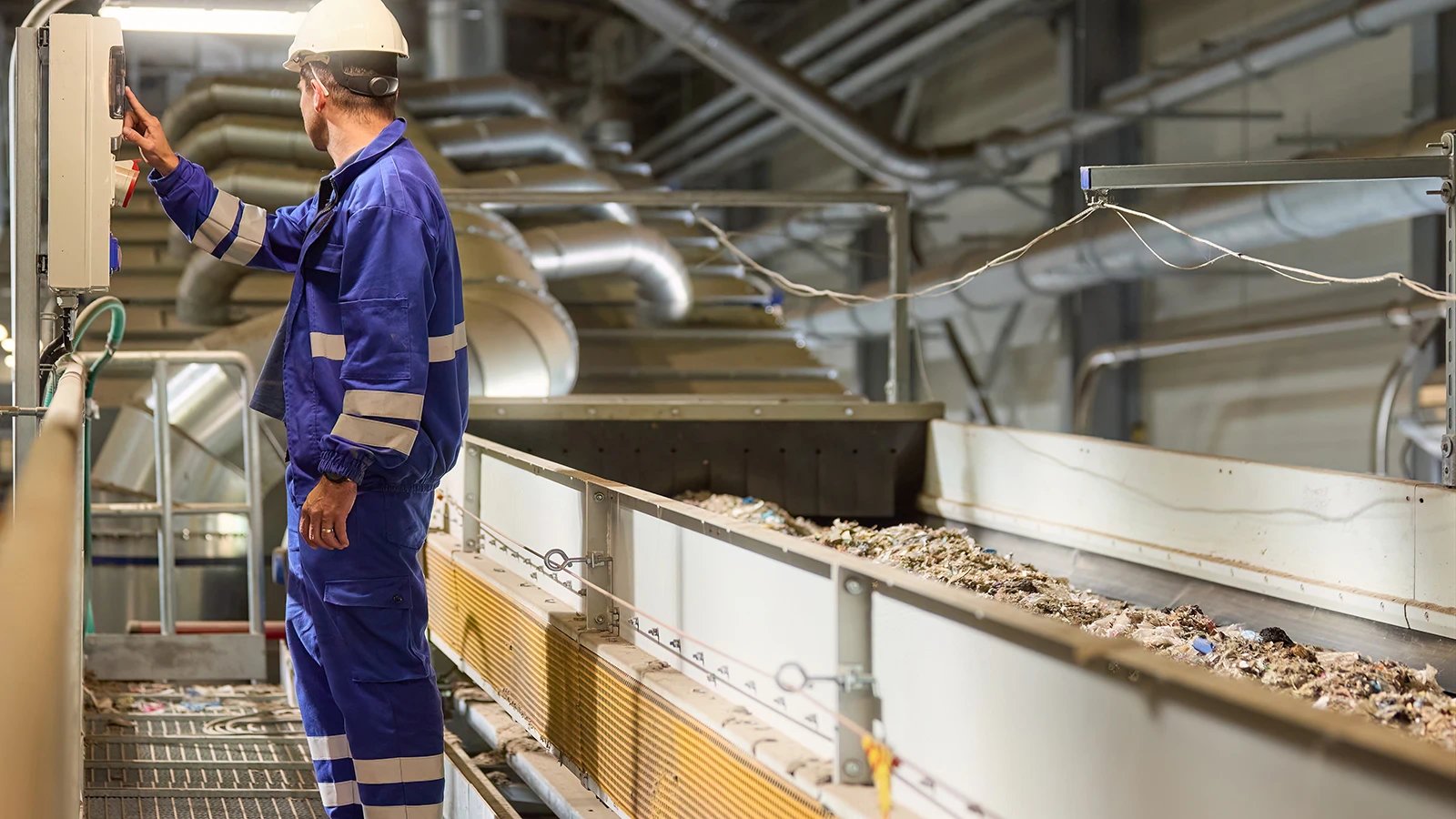
Recycling facilities handle an exceptionally broad range of materials, from paper, plastics, and glass to metals, batteries, electronics, and mixed waste streams. Processing these materials can generate significant amounts of dust and other airborne contaminants.
At Nederman, we provide industrial dust collection, high-vacuum extraction and cleaning, odor and gas control, and material handling solutions for recycling operations. We also help manufacturers collect production waste and byproducts so valuable materials can be recovered, reused, or recycled.
Key clean air challenges in recycling
Dust can be generated throughout the recycling process as materials are handled, reduced in size, and separated. Effective capture helps limit employee exposure, reduce buildup on equipment, and maintain cleaner production areas.
The materials being processed can also create very different risks. Paper, plastics, wood, and certain metals may generate combustible dust, making material assessment and proper system design especially important.
Other waste streams present additional challenges. Battery and electronic waste may generate fine particulate and other contaminants, while plastics, mixed waste, and contaminated materials can create odors or vapors that require additional control. The right solution depends on both the material and the process.
Recycling processes and material streams we support
- Paper, plastics, and fiber recycling - Paper, corrugated materials, plastics, fibers, and textiles can generate substantial dust during recycling. Central dust collection and effective source capture help control contaminants while supporting reliable operation across multiple processing areas.
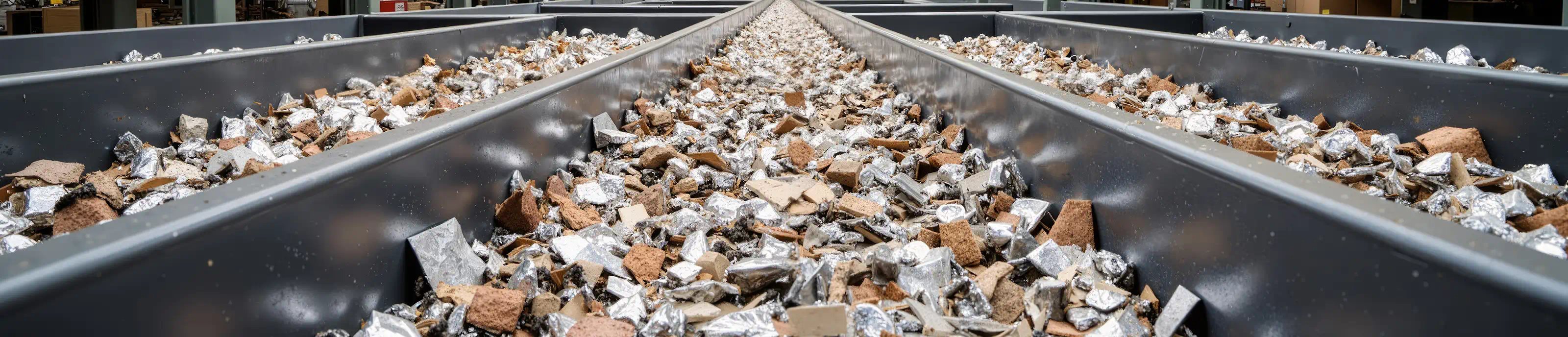
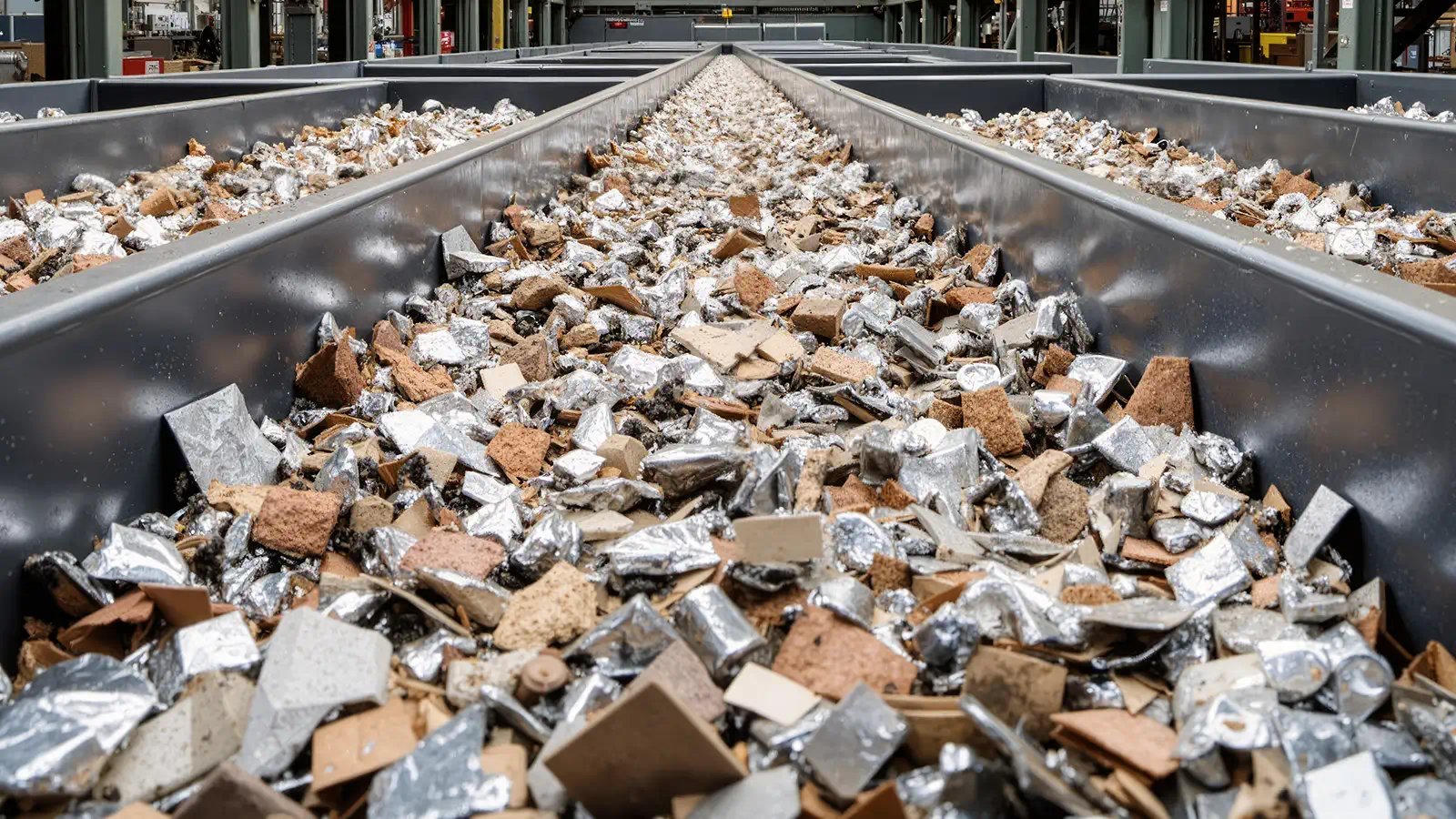
- Glass and complex material recycling - Glass and products containing significant amounts of glass can generate fine particulate as materials are broken down and separated for recovery. This includes applications such as glass recycling, solar panel processing, and other complex products containing multiple recoverable materials. Effective dust collection helps contain particulate close to the process and maintain cleaner working conditions throughout the facility.
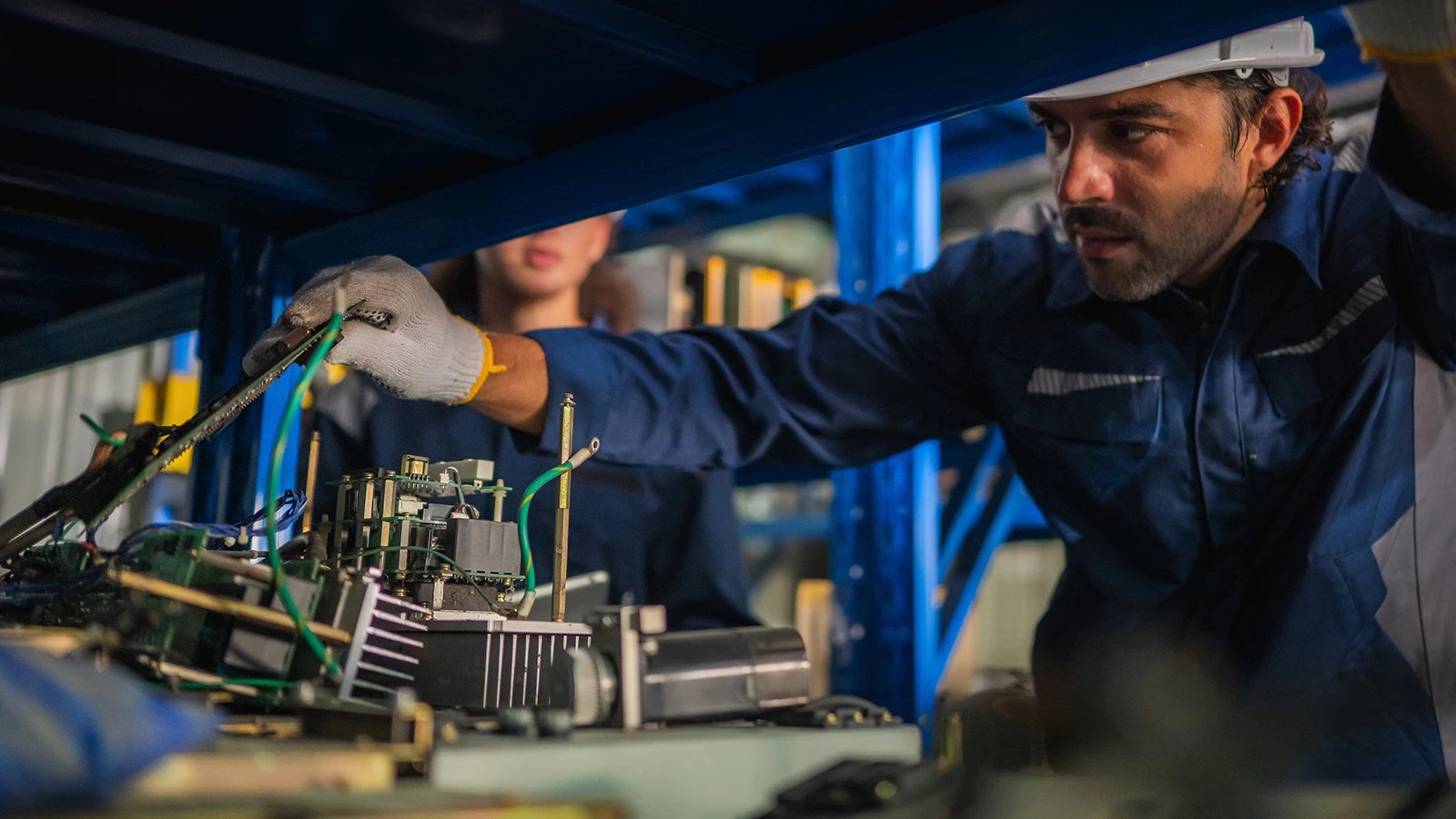
- Battery and electronic waste recycling - Battery and electronic waste contain a complex mixture of materials that must be separated and recovered. Processing can generate fine airborne particulate, metals, and other contaminants that require effective capture and filtration.
- Metals and mixed material recovery - Metal recyclers and mixed material recovery facilities handle materials with widely varying dust characteristics. Effective extraction, filtration, and industrial cleaning help control contaminants while supporting efficient material recovery and reliable operation.
- Production waste recovery in manufacturing - Recycling also takes place within manufacturing. Wood dust, paper waste, metal chips, and other production byproducts can often be collected and separated before becoming mixed or contaminated.
Our solutions can be designed around the specific materials being recovered and the requirements of the recycling process. We help recycling facilities maintain cleaner production environments while improving opportunities to reuse material internally, repurpose it, or transfer it into another recycling stream.
Fill out the form below to contact our experts about your recycling or material recovery application
Managing combustible dust in recycling operations
Many materials handled by recycling facilities can generate combustible dust. Paper, plastics, wood, and certain metals are among the materials that may present a fire or explosion hazard when fine particulate is generated.
The actual hazard depends on the material, particle characteristics, and process. Dust properties should therefore be assessed and the extraction system designed around the specific application and applicable requirements. At Nederman, we combine combustible dust expertise with dust collection, high-vacuum extraction, industrial cleaning, and explosion protection solutions to help recycling facilities manage these risks.
Learn more about how to reduce the effects of dust explosions
Clean air solutions for the recycling industry
We offer a broad range of clean air and material handling technologies for recycling and material recovery. Our experts help identify the appropriate solution based on the material, contaminant, process, and applicable safety requirements. Explore our solutions for: