
- Home
- Industries We Serve
Food Processing
Protecting workers and facilities in the food manufacturing industry
Managing dust in the food manufacturing industry is critical for ensuring both food safety and worker health
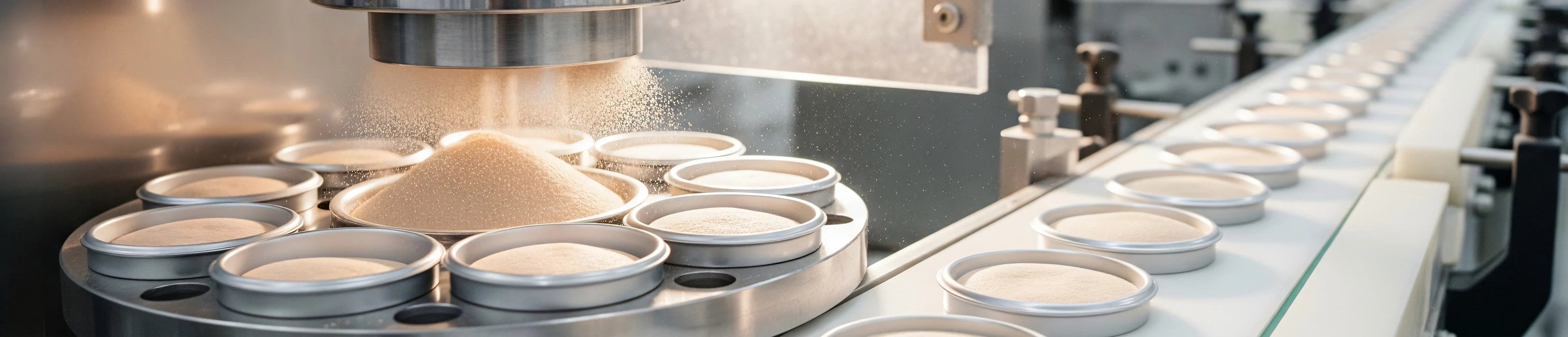
The food processing industries role is to deliver safe and high-quality consumable products to consumers. These production environments present air quality challenges due to dust, airborne contaminants, and odours generated during processing, packaging and handling. The maintenance of a clean workspace is essential to meet strict food safety regulations and standards and protect worker health.
In the UK, businesses involved in the manufacture of food items must comply with Health and Safety Executive (HSE) guidelines, Good Standards Agency (FSA) regulations, and COSHH (Control of Substances Hazardous to Health) standards. Effective dust and fume extraction systems help businesses within food processing maintain hygienic conditions, prevent-cross contamination and comply with industry regulations.
Common Challenges in Food Processing
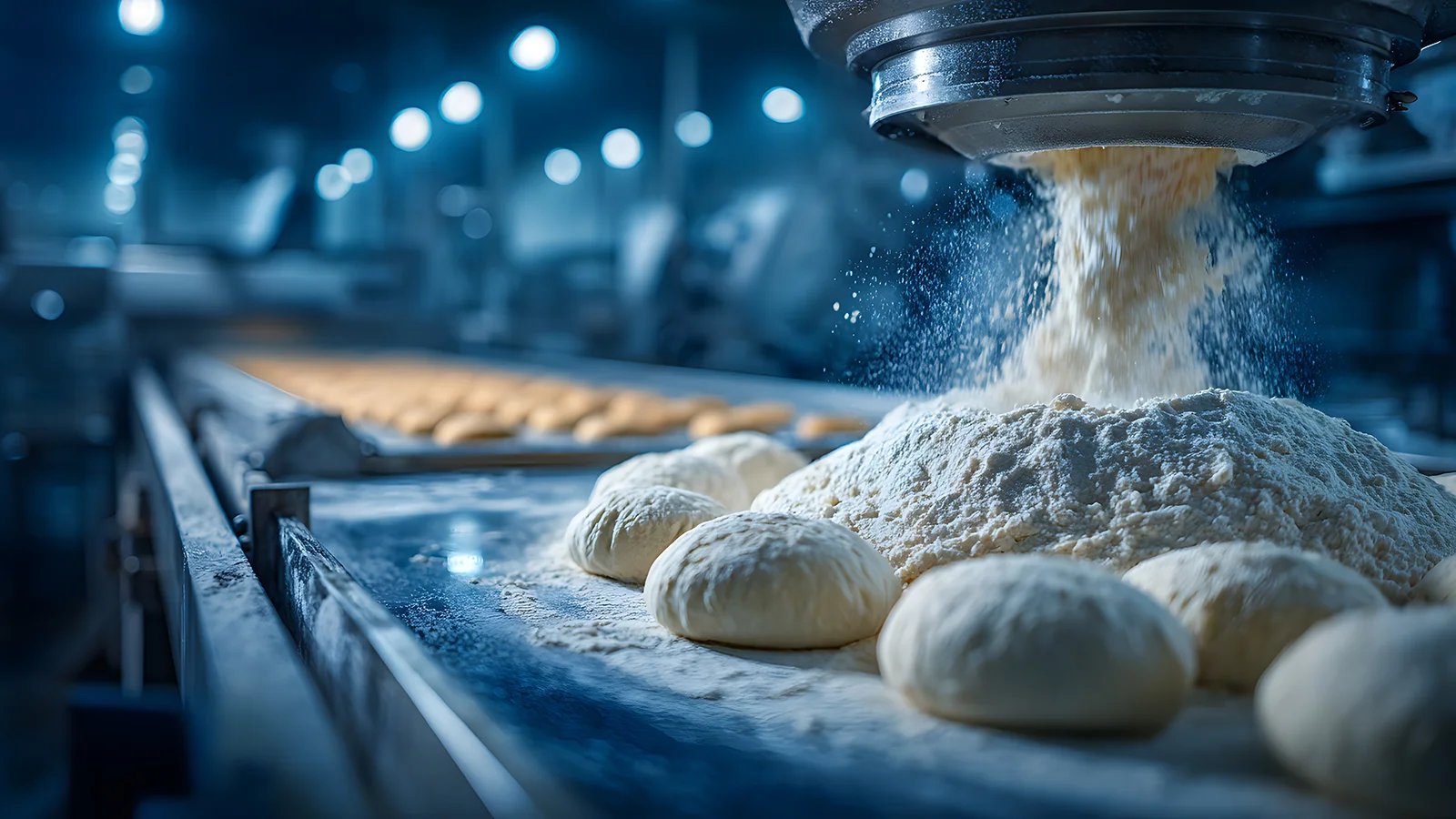
- Airborne Contaminants: Fine particulates from ingredients such as flour, sugar, and spices can create hazardous dust levels.
- Regulatory Compliance: Business must comply to strict hygiene and safety regulations to prevent contamination and ensure product quality.
- Workplace Safety: Excessive dust accumulation can lead to respiratory health risks and combustible dust hazards.
- Odour and Gas Emissions: Strong odours and volatile organic compounds (VOCs) from food processing require effective filtration to maintain air quality and safety.
Nederman Solutions for the Food Processing Industry
To address air quality challenges in food production, Nederman offers a range of advanced extraction and filtration solutions, including:
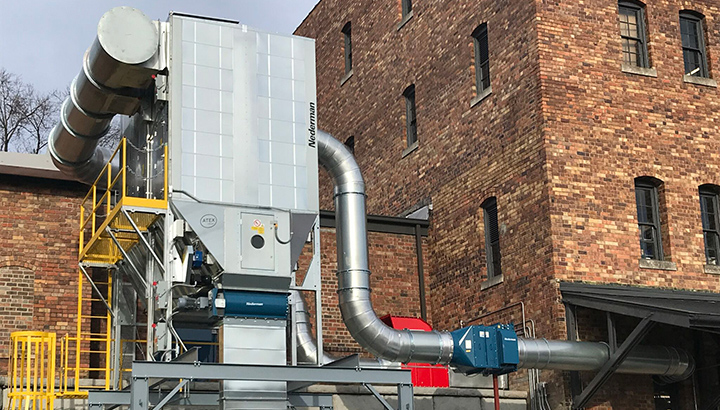
- Dust Collection Systems: High-efficiency filtration units to control airborne dust and prevent contamination.
- Odour and Gas extraction: Activated carbon filters and gas scrubbers to eliminate strong odours and airborne chemicals.
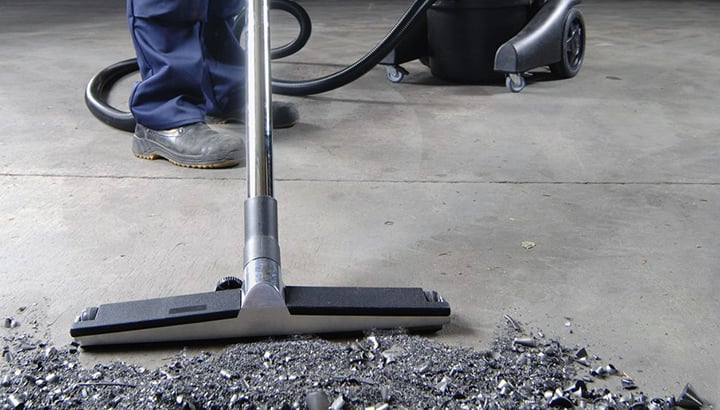
- Centralised Vacuum Systems: Industrial housekeeping solutions to remove dust from production areas and maintain cleanliness.
- Combustible Dust Control: ATEX-certified extraction systems to reduce explosion risks in facilities handling fine organic food dust.
Sustainable and energy efficient food processing operation
Energy efficiency is a growing need for many manufacturers to offset rising costs and meet sustainability goals. From how the dust is extracted, filtered and maintained, the dust collection system has a significant impact on sustainable operations.
Compliance with ATEX and NFPA combustible dust standards
Food processing is often using organic materials which in most cases are combustible. According to the Dust Safety Science Mitigating annual report, the food and agricultrual industry experienced the most combustible dust incidents. Therefore, risks in the dust collection system in accordance with ATEX and NFPA standards is essential for worker and facility safety.
Worker health and safety in the food manufacturing industry
The food manufacturing industry is highly regulations. Standards for worker health and safety regarding dust exposure limits and combustible dust need to be understood. Product materials and maintenance/cleaning procedures also may be important to maintain food safety.
Increased food manufacturing productivity and process efficiency
Food processing facilities often operate continuously so the reliability and ability of the dust collection system to handle those demands and avoid downtime is critical. With today's technique, you can monitor your filtration system performance whenever, wherever. Our digital monitoring module and digital service offering help you to always keep your productivity and efficiency on top.
Did you know?
According to Dust Safety Science's 2022 Annual Combustible Dust Incident Report, the Agriculture & Food Products had the highest incident rate of any industry.